
Insights · Product · 14 August 2026
Web app or mobile app: which should you build first?
You will likely build both eventually. The question that matters is which one first, and the answer comes from your users, not from the app stores.

At some point every founder stands in the same fork: the product should exist as an app people tap and as a thing that opens in a browser, but the budget says pick one first. The argument that follows is usually settled by taste, by whichever agency was in the room, or by a vague sense that apps are more real.
There is a better instrument. The answer comes from your users, specifically from where their third use of the product happens, and once you see that, most of the argument evaporates. But first, what each choice actually buys.
What web first buys you
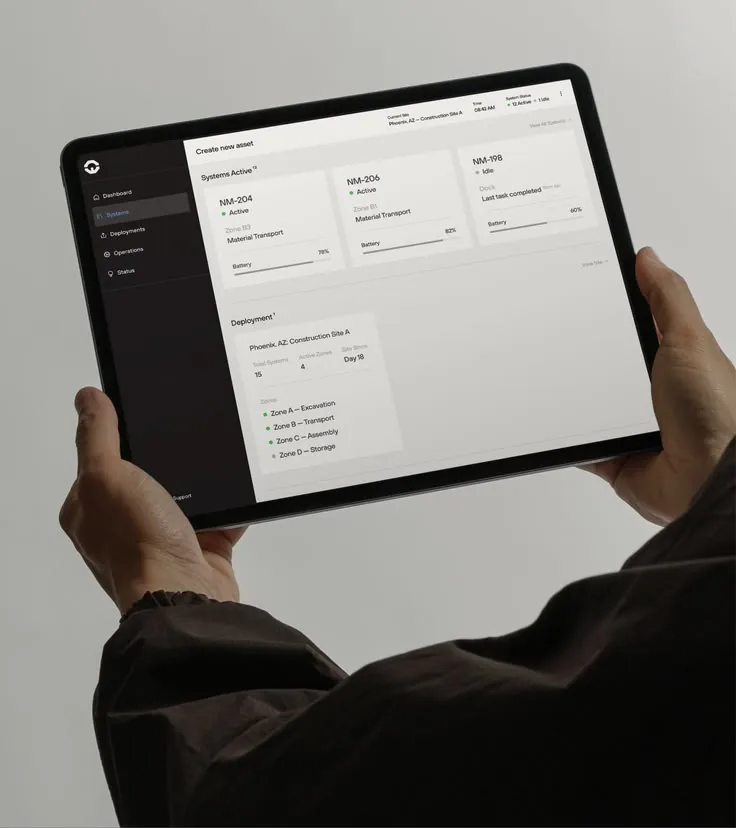
A web app is one build that runs everywhere, updates the moment you deploy, and needs no store approval and no download before a stranger can try it. That last property decides more first rounds than any technical argument: if your product is found through search, shared by link, or evaluated at a desk during working hours, the web removes every step between curiosity and use.
The link is the quiet superpower. A prospect can be inside your product four seconds after hearing about it, from an email, a chat message, or a search result. No store page, no install, no permission dialogs. For anything bought or championed inside companies, that frictionless path is worth more than any native animation.
Web first also matches products still finding their shape. Shipping three updates a week to a URL is trivial. Shipping them through store review is not, and early products live on iteration speed.
What mobile first buys you
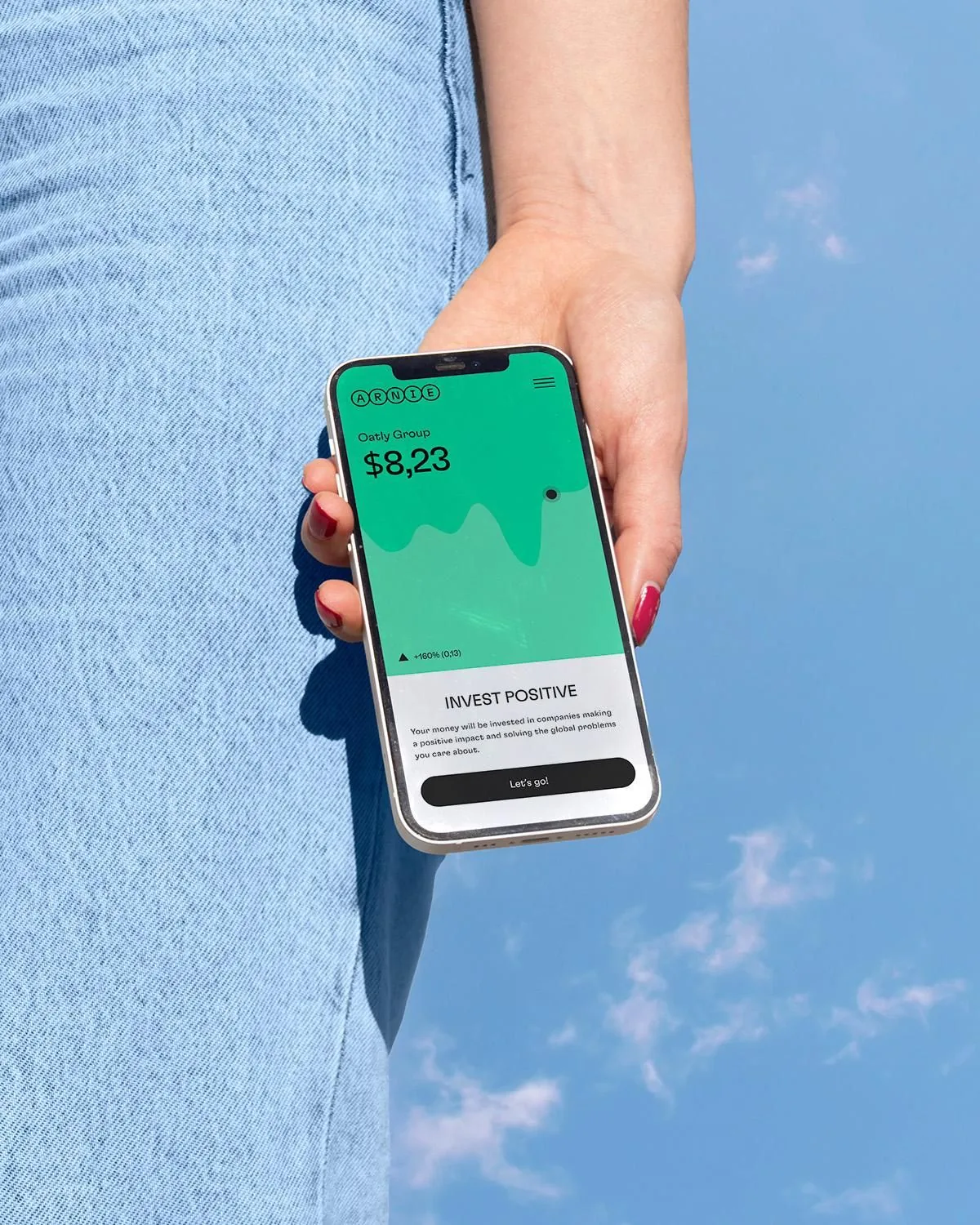
A mobile app wins when the product lives in someone's day rather than at their desk. Three signals identify it. The product needs the device itself: camera, precise location, offline use in basements and flights. Or it earns its place through notifications that people genuinely want. Or the habit you are building is a daily open, where presence on the home screen is not a distribution channel but the product itself.
A journal, a habit tracker, a payments app, anything used in queues and kitchens and commutes: these are mobile products, and a browser version of them is a brochure.
Mobile first is also a commitment worth naming: store rules, review queues, platform payment terms, and a slower release rhythm come with it. Products that need the home screen accept those costs knowingly. Products that do not need it pay them for nothing.
The third use test
Ask where the third use of your product happens. Not the first, which happens wherever marketing put the link. The third, the one that means a habit is forming.
If the third use is at a desk with other tools open, alongside a spreadsheet and an inbox, build the web app. If the third use is in a queue, on a commute, at a kitchen counter, build the mobile app. Answer honestly for your actual users, not for the montage in the pitch deck, and the fork usually stops being a fork.
When the answer is genuinely both
Some products truly need both from day one, and even then there is an order: build the web app first, designed with phone screens in mind, and wrap or rebuild native once the product has stopped changing shape weekly. It is simply cheaper to be wrong on the web, and every early product is wrong about something.
The exception that proves the rule: if notifications or the home screen are the product, start native and let the web wait. Just be sure that claim is true of your users, and not only of your deck. The third use test does not care about the deck, which is exactly what makes it useful.